A smart lock is only as secure as its mechanical parts. Fingerprint and face recognition decide who can enter, but a weak cylinder or lock body decides how easy the door is to force. Use this list when you compare models.
1. Cylinder class
Chinese cylinder grading uses classes A, B and C, with C the highest. Our B6, B36, T6S and B65S list a Class C cylinder, and the HP-01 page lists a C-level anti-theft cylinder. In Europe cylinders are rated under EN 1303; if your market requires it, ask for the test report for the cylinder you plan to import.
2. Lock body design
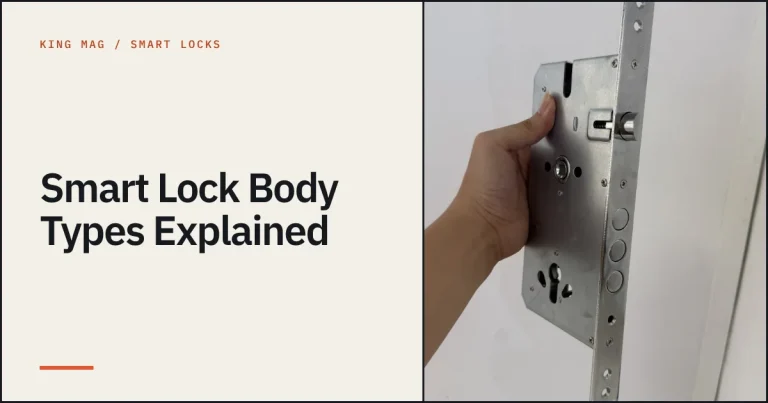
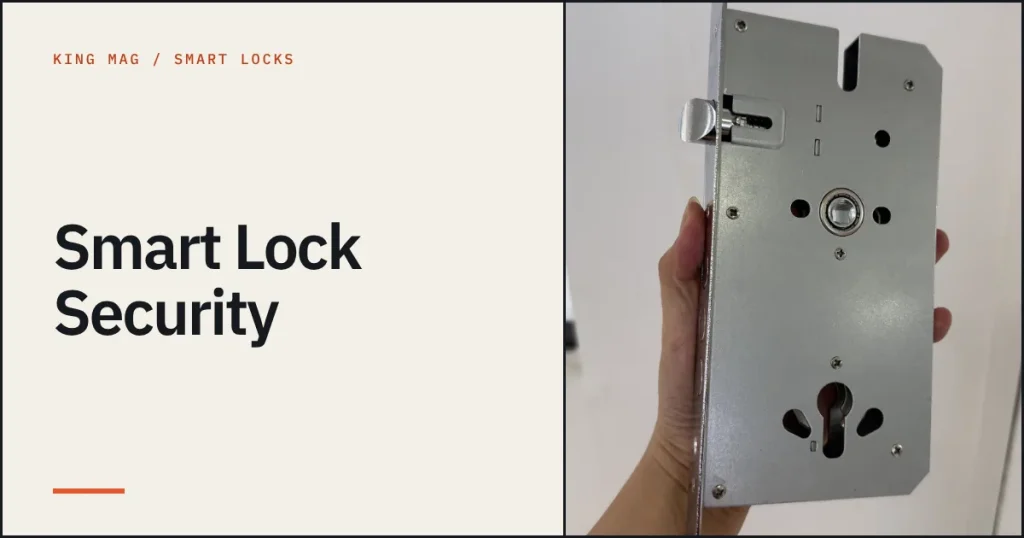
The 5050 body on our wooden-door locks is built to resist prying, pulling and sawing. The 68 body used on the automatic locks is the mortise body that actually bolts the door, so check the bolt material and throw with the supplier. Always confirm the faceplate suits the door edge.
3. Alarms and lockout
Good locks react to attacks. The B65S page lists an anti-tamper alarm, lockout after repeated wrong attempts and a low-battery warning. The B6 page lists an alarm after repeated wrong attempts. Check that the alarm sounds and that the owner is notified.
4. Anti-peeping passwords
A virtual password lets the user type extra digits before and after the correct code, so a bystander cannot read it. The D3 needs only six correct digits inside a longer entry. Look for this on keypad locks.
5. Emergency access
Every model keeps a mechanical key, and handle locks add USB emergency power while dual-screen locks add Type-C power. Emergency access must exist, but it must not be easy to bypass.
6. Documents
CE and RoHS certificates are available on request for our models, and the dual-screen spec sheets reference the GA374-2019 standard for electronic anti-theft locks. Ask suppliers for certificates before ordering, not after.
Buyer’s checklist
- Cylinder class and test report
- Lock body type and faceplate
- Alarm and lockout behaviour
- Anti-peeping password
- Emergency access methods
- Certificates for your market
For door-specific advice see our guides to wooden doors and metal and aluminium doors.
Frequently asked questions
Which of your models use a Class C cylinder?
The B6, B36, T6S and B65S list Class C cylinders, and HP-01 lists a C-level anti-theft cylinder.
Do smart locks have an alarm?
Several models do. Check the specification for anti-tamper and wrong-attempt alarms.
Can I get certificates before ordering?
CE and RoHS certificates are available on request. Contact us with the model you plan to order.